Five-star reviews are rarely about the thread count. Read any hotel’s best feedback and the same thing comes up again and again: the people. The receptionist who remembered a name, the housekeeper who noticed a guest needed an extra pillow, the server who fixed a problem before it became a complaint. Strong hotel customer service skills are what guests remember long after they have checked out.
This guide sets out the everyday habits that turn an ordinary stay into one guests recommend. It is written for front-of-house, housekeeping, room service and restaurant staff in UK hotels, and for managers and owners who want to build a team that earns great reviews consistently.
Why reviews matter so much to hotels
Most guests check Google, Tripadvisor or Booking.com before they book. A strong score builds trust and direct bookings; a handful of reviews mentioning “rude staff” or “nobody helped us” can undo months of hard work. Review analysis published across the hospitality sector consistently shows staff and service among the most-mentioned themes, alongside cleanliness and location.
The good news is that, unlike your location, service can improve quickly through daily habits and training.
Seven habits that earn five-star reviews
1. Acknowledge guests within seconds
First impressions form at the door and the desk. Make eye contact, smile and greet clearly. If you are on the phone, a nod or raised hand shows the guest you have seen them. Being ignored at reception is one of the quickest routes to a poor review.
2. Use the guest’s name
Once they have checked in, use the guest’s name naturally a few times. It is a small touch that makes people feel recognised rather than “room 214”.
3. Anticipate rather than react
A family may need a cot, a late arrival may want to know where they can still get food, and a business traveller may value a swift check-out. Ask briefly at booking or arrival, then record preferences in your property management system so the next shift knows too.
4. Know the hotel and the local area
Breakfast times, Wi-Fi details, parking, the nearest pharmacy or station: guests ask the same questions every day. Confident answers build trust. If you do not know, say “Let me find out for you” and come back with the answer.
5. Communicate warmly and clearly
Many UK hotel teams are international, and English may be a second language for colleagues and guests alike. Simple, polite phrases used consistently — “Certainly”, “Of course, I’ll sort that for you”, “I’m sorry about that, let me help” — matter far more than perfect grammar. A calm, patient tone is what guests notice.
6. Fix problems on the spot, then follow up
A broken shower or a room that is not ready does not automatically mean a bad review. How you respond decides it. Listen without interrupting, apologise sincerely, offer a solution and, crucially, check back later that everything is fine. Our step-by-step guide on how to handle customer complaints covers this in detail.
7. Think about every guest’s needs
Under the Equality Act 2010, service providers, including hotels, must make reasonable adjustments for disabled people. In practice, that means politely asking whether a guest would like any assistance, knowing which rooms are accessible and understanding what happens during an evacuation for someone with limited mobility. For dietary needs in the restaurant or on room service, see our guide to food allergen training for restaurant staff.
Common mistakes that lead to bad reviews
- Leaving guests waiting with no explanation.
- Saying “that’s not my department” instead of finding the right colleague.
- Discussing internal issues or complaining about colleagues in front of guests.
- Promising a call back in ten minutes and forgetting.
- Treating guests differently depending on the room rate they paid.
Great service includes keeping guests safe
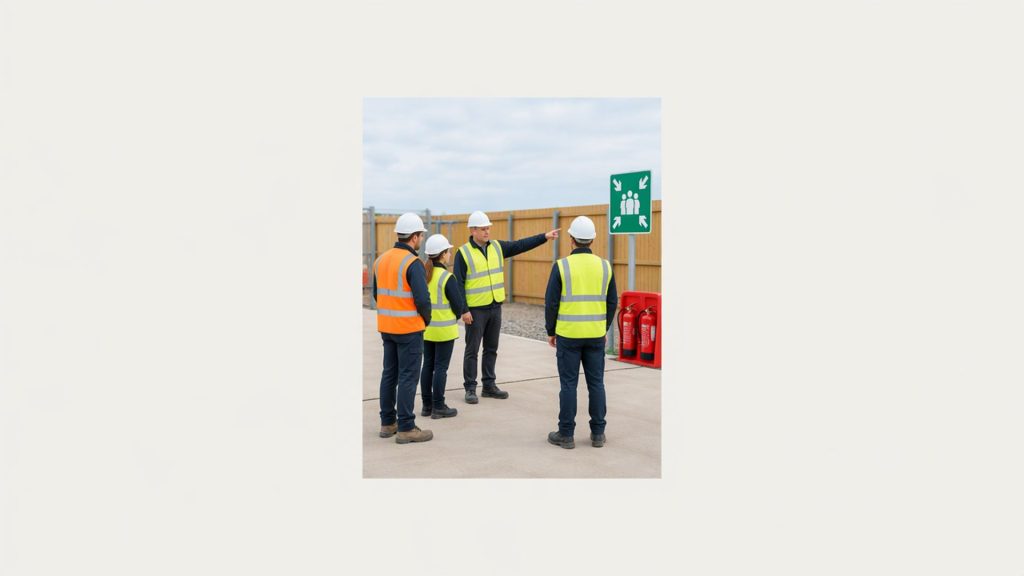
Guests feel genuinely looked after when staff know what to do in the unexpected moments: a fire alarm at night, someone feeling unwell, a wet floor in a busy corridor. A team member who knows the evacuation procedure and stays calm delivers the best possible service exactly when it counts. Read more about fire marshal duties in the UK and our health and safety courses.
For managers: building a five-star culture
- Simple written standards: how to greet, how quickly to answer the phone, how to hand over between shifts.
- Training at induction and beyond: not just one day of onboarding, but regular refreshers, especially after negative feedback.
- Empowerment: let staff resolve small issues without seeking sign-off at every step.
- Review feedback together: name-checked praise motivates, and criticism becomes a blame-free learning example.
- Support international staff: bilingual materials and key phrases help new starters feel confident from week one.
How Rafidin Education helps
Rafidin Education was founded by Mirela Simona Anghelache, a John Maxwell Certified Trainer and Coach and DISC consultant, to make practical training accessible to people who work while they learn. For today’s topic we recommend:
- Customer Service course — 75 minutes on communication, customer expectations and handling difficult situations.
- Fire Marshal and Working Safely — for the safety side of looking after guests and colleagues.
- More courses in our business skills category.
The benefits: CPD-accredited courses, available in English and Romanian, online at your own pace, with a certificate as soon as you finish, plus 1:1 consultancy if you want to plan your next career step in hospitality.
For employers: we provide B2B training for whole hotel and restaurant teams, with bilingual online access that works especially well for international staff. Get in touch through our contact page and we will suggest a package that fits your team.
Five-star reviews are not luck; they are the result of small habits repeated on every shift. Start today with just one — using guests’ names, for example — and build from there. And if you would like structured learning and a certificate for your CV, enrol on the Customer Service course.
Frequently asked questions
Do I need a customer service qualification to work in a UK hotel?
It is not usually a legal requirement, but many employers value a customer service course on your CV because it shows you already understand the basics and will need less training at the start.
What should I do if I don’t understand a guest’s request?
Stay calm and polite, ask them to repeat it (“Sorry, could you say that again, please?”) or summarise what you understood to confirm. If needed, bring in a colleague. That is far better than guessing.
How quickly can a hotel team improve its reviews?
It varies by property, but behaviour changes such as warm greetings, using names and following up on issues tend to show up quickly in guest feedback, especially when backed by training and visible support from managers.