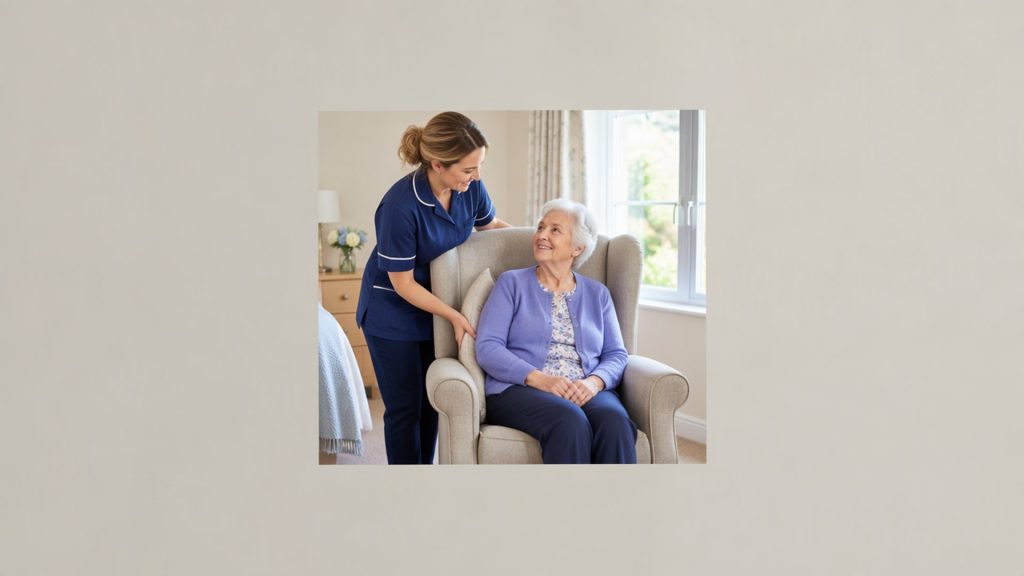
Onboarding international staff in the UK well is one of the smartest investments an employer can make right now. Whether you run a care home, a hotel, a restaurant or a construction business, there is a good chance your team includes people from Romania, elsewhere in Europe or further afield. They bring experience and a strong work ethic, but their first few weeks decide whether they settle in and grow with you, or leave within months.
This guide is written for two readers: the employer or manager who wants a clear, compliant process, and the new starter who wants to know what to expect and what to ask. You will find a practical two-week plan and see why bilingual training gets international recruits working safely and confidently much faster.
Why international recruits need a tailored induction
A new starter from overseas is learning a new job, a new system and often a working language that is not their first, all at once. Giving them the same information at the same pace as a local recruit creates real risks:
- Safety mistakes, because instructions were not fully understood, even when the person said “yes, I understand”.
- Low confidence: people are afraid to ask, so they guess.
- Early leavers: anyone who feels lost in the first months starts looking elsewhere. We cover this in detail in our guide on how to reduce staff turnover through training.
For adult social care, the UK Government has published an International recruitment toolkit for adult social care providers, which stresses support before arrival, a warm welcome and ongoing pastoral support in the first months.
Your legal duties in brief
Before anyone starts work, you must carry out a right to work check, whatever their nationality. The rules on these checks were updated in 2026, so always check the current employer’s guide on gov.uk. If you hold a sponsor licence, you have extra record-keeping and reporting duties, also set out on gov.uk. This article is not legal or immigration advice.
On health and safety, the HSE expects employers to give workers information, instruction and training that they actually understand. Its guidance on migrant workers recommends taking language ability into account, checking understanding and using clear or translated materials where needed. Our guide to health and safety training duties for UK employers covers the wider picture.
A practical two-week onboarding plan
- Before arrival: send a welcome message with the first-day schedule, a named contact, the address, which documents to bring and what to wear.
- Day 1 – safety first: a site tour, emergency exits, the fire procedure and how to report an accident or concern. Explain one thing at a time and check each one.
- Days 2–5 – essential training: start the core courses for the role, such as health and safety, working safely and hygiene, plus sector-specific mandatory training in care.
- Week 1 – a buddy: pair them with an experienced colleague, ideally someone who has been through the same move. Buddies answer the small questions people won’t ask a manager.
- Week 2 – supervised practice and feedback: real tasks with someone alongside, followed by a short conversation about what is going well and what is still unclear.
- Record everything: log completed courses and dates in your staff training matrix so you know what comes next and when certificates expire.
Language: how to check understanding properly
“Do you understand?” is not a check. Many people say yes out of politeness or worry. A few simple habits make a big difference:
- Ask them to explain back in their own words (“Talk me through what you do if the fire alarm goes off”).
- Show, don’t just tell: demonstrate the procedure, then let them do it.
- Use short sentences and avoid abbreviations and local slang.
- Share a glossary of everyday terms. For care teams, our list of everyday English phrases for care workers is a good start.
The case for bilingual training
When someone learns key procedures in their first language, they understand why something is done, not just what to do. Working through the same content in English then gives them the exact vocabulary they will hear on shift. The result is fewer errors, more confidence and a faster route to working independently.
For teams with many Romanian colleagues, courses available in both Romanian and English are a real advantage: staff are not translating every sentence in their heads, and managers have clear evidence that training has been completed and understood.
For new starters: questions worth asking
If you have just started a job in the UK, asking questions is a sign of professionalism, not weakness. Good ones include:
- Who is my contact if I have a problem during a shift?
- Which courses do I need to complete, and by when?
- Where can I find the written procedures for fire, reporting and daily tasks?
- How and when will I get feedback on my work?
In Mirela Anghelache’s experience of more than 11 years in UK care, people who ask early settle in far faster than those who try to work everything out alone.
How Rafidin Education helps
Rafidin Education offers CPD-accredited online courses in English and Romanian that staff can complete at their own pace on a phone or computer, with a certificate available as soon as they finish. Read more about our CPD accreditations.
- Useful courses for induction: Working Safely, Fire Marshal, Customer Service, plus mandatory training for care.
- Browse the full Rafidin course catalogue.
- One-to-one support for career or training plans: Rafidin consultancy.
B2B training for teams: if you are welcoming several new starters, we can put together a bilingual course package for the whole team, with certificate tracking and a clear plan for the first weeks. See also our guide to choosing CPD training for staff, and get in touch here to talk about your team’s needs.
An international colleague who is welcomed well often becomes one of the most loyal people on your team. Start with a simple plan, training they genuinely understand and someone by their side in the first days. Contact Rafidin Education and let’s build your team’s onboarding together.
Frequently asked questions
How long should onboarding take for international staff?
The first two weeks usually cover safety and core training, but full settling-in takes a few months. That is why it is worth booking feedback conversations at one month and again at three months.
Can health and safety training be given in another language?
Yes. The HSE expects training to be understood by the worker, and translated or bilingual materials can help with exactly that. Staff still need enough English to communicate safely at work.
What checks are needed before an overseas worker starts?
A right to work check is required for every employee, plus any sector checks such as a DBS check in care. The rules change from time to time, so always check the current employer’s guide on gov.uk.