The UK care sector is recruiting all year round. Care homes, home care agencies and NHS hospitals need people who are kind, reliable and well prepared. If you are looking for a care assistant job in the UK, the good news is that it is one of the most accessible ways to start a stable, meaningful career, even if you have never worked in care before.
This guide explains what a care assistant actually does, what employers will ask for, what you can expect to earn in 2026 and the steps that get you hired faster.
What does a care assistant do?
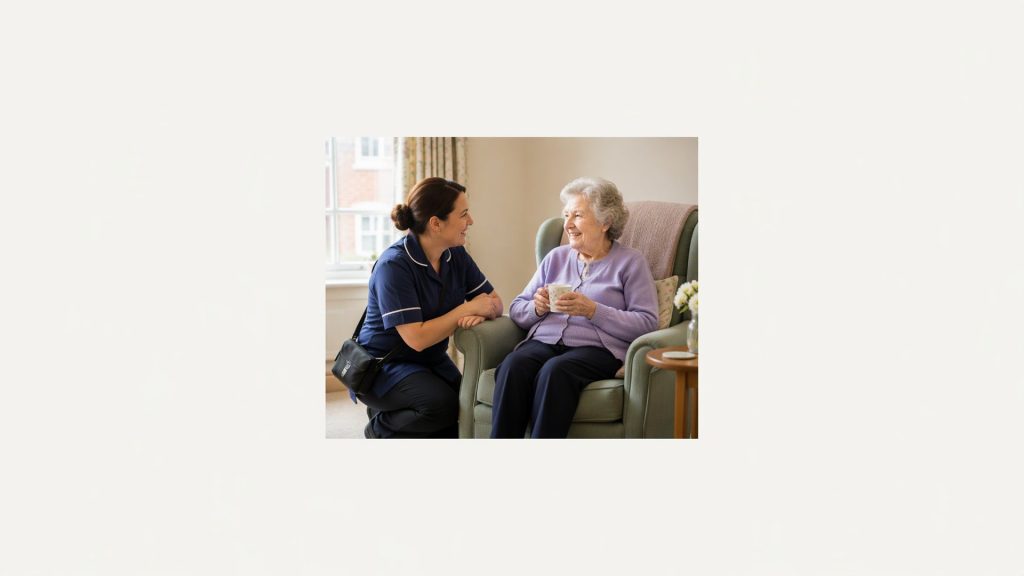
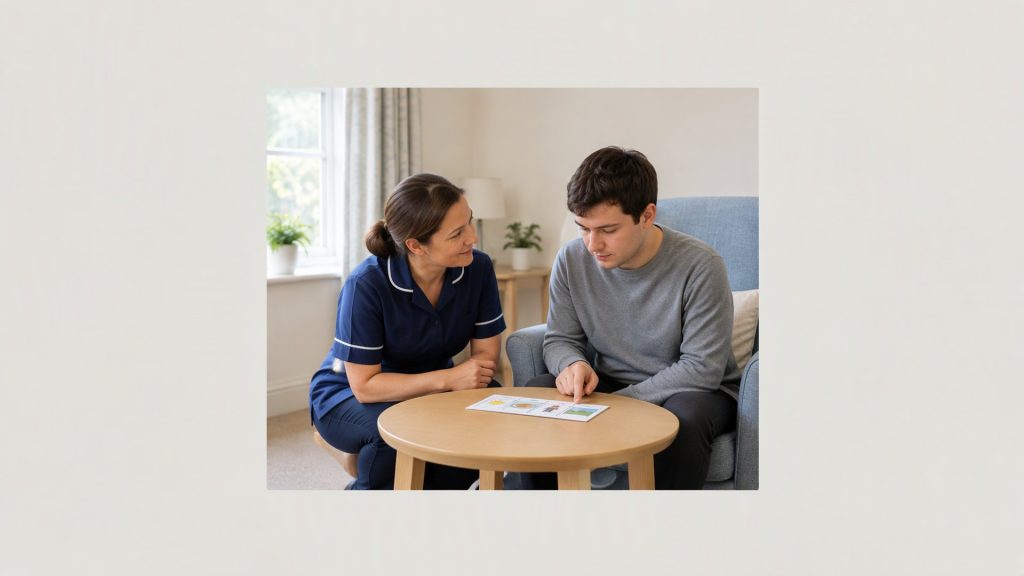
A care assistant (also called a carer or support worker) helps older people, disabled adults and people with long-term conditions live with dignity and as much independence as possible. A typical shift includes:
- Personal care: washing, dressing and helping people move safely
- Support with meals and keeping an eye on hydration
- Giving or prompting medication, once you have been trained
- Writing clear care notes and reporting any changes
- Companionship, conversation and activities that bring joy
Where you can work
- Residential and nursing homes — shift work in a larger team, ideal for your first role.
- Domiciliary (home) care — visiting clients in their own homes; a driving licence is often required.
- NHS hospitals — usually called Healthcare Assistant (HCA), and a stepping stone towards Assistant Practitioner or nursing.
What employers ask for
- The right to work in the UK. Immigration rules for care roles changed significantly in 2025, so always check your own situation on gov.uk before applying.
- Good spoken and written English — enough to follow instructions, talk with residents and write accurate notes.
- A DBS check — your employer arranges it to confirm you can work with vulnerable people.
- References — usually from your most recent employers.
- Induction training — the Care Certificate (16 standards since March 2025) plus mandatory training such as safeguarding, moving and handling, and infection control.
Many entry-level roles do not require previous experience. What matters most is your values: compassion, patience and reliability.
How much does a care assistant earn in 2026?
Since 1 April 2026, the National Living Wage for workers aged 21 and over is £12.71 per hour. That is the legal floor, not the ceiling. Many employers pay more for nights, weekends and bank holidays, and NHS roles follow their own pay bands. Extra training and experience help you negotiate a better rate or move up to senior carer, team leader or deputy manager.
How to apply: six steps that work
- Write a UK-style CV: short, clear, no photo, focused on skills and values.
- Complete relevant CPD-accredited courses before you apply — it shows you are ready from day one.
- Search NHS Jobs, Indeed, care group career pages and specialist recruitment agencies.
- Prepare for a values-based interview using real examples (situation, action, result).
- Keep your documents ready: ID, proof of right to work and referee details.
- Once hired, complete your Care Certificate and keep learning — that is how progression happens.
How Rafidin Education helps
Rafidin Education was founded by Mirela Anghelache, who has more than 11 years of experience in UK care — from home care and care homes to Deputy Manager and, today, Assistant Practitioner in a hospital. We know what employers look for because we have worked through every stage ourselves.
- CPD-accredited online courses in English and Romanian, at your own pace, on your phone or laptop.
- Instant CPD certificate when you finish — ready to add to your CV and applications.
- 1:1 career consultancy — CV review, interview preparation and introductions to recruitment agencies.
Start today: explore our Health and Social Care courses or book a consultancy session.
Frequently asked questions
Can I become a care assistant with no experience?
Yes. Many care homes and home care providers hire beginners and train them. Completing CPD courses beforehand makes you a much stronger candidate.
What level of English do I need?
You need to hold everyday conversations, understand instructions and write simple notes. It does not need to be perfect, but clear communication is essential for safety.
How long does it take to get my first job?
It depends on your documents and the DBS check, but with a ready CV and certificates already completed, the process is usually much faster.