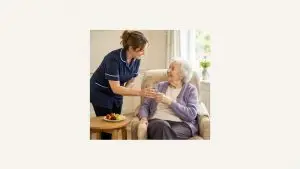
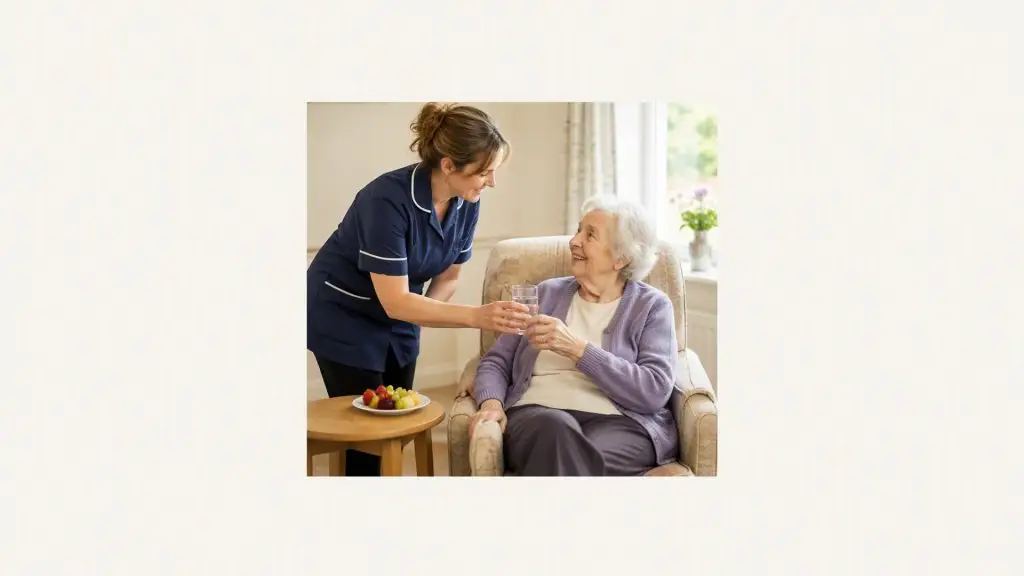
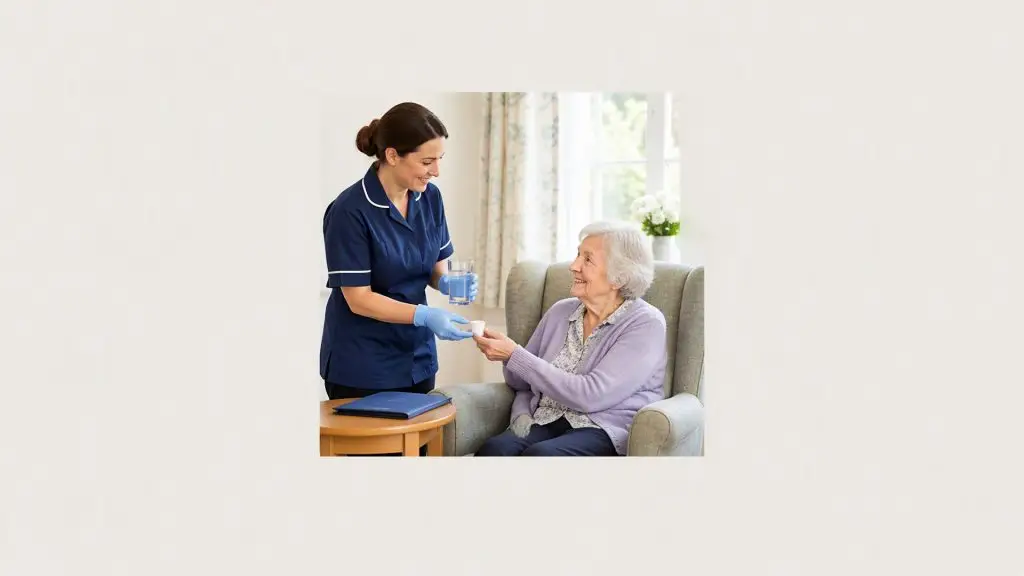
What if the secret to passing your next CQC inspection and landing a senior NHS role had nothing to do with how fast you complete clinical tasks? In the high pressure environment of UK healthcare, person centred care is frequently dismissed as a mere buzzword, yet it remains the definitive standard for improving patient outcomes. You might feel frustrated by confusing NHS terminology or find it difficult to transition from a task led routine to a truly person led approach. It is a common challenge, but mastering this shift is exactly what transforms a standard job into a flourishing healthcare career.
You already know that treating every patient as an individual is the right thing to do, but applying these values consistently under regulatory pressure is where many professionals struggle. This guide promises to help you master the principles of person-centred care, ensuring you have the confidence to excel in UK job interviews and achieve recognised CPD accreditation. We will break down the 2026 regulatory framework, provide actionable strategies for daily practice, and show you how to evidence your expertise to accelerate your professional growth.
Key Takeaways
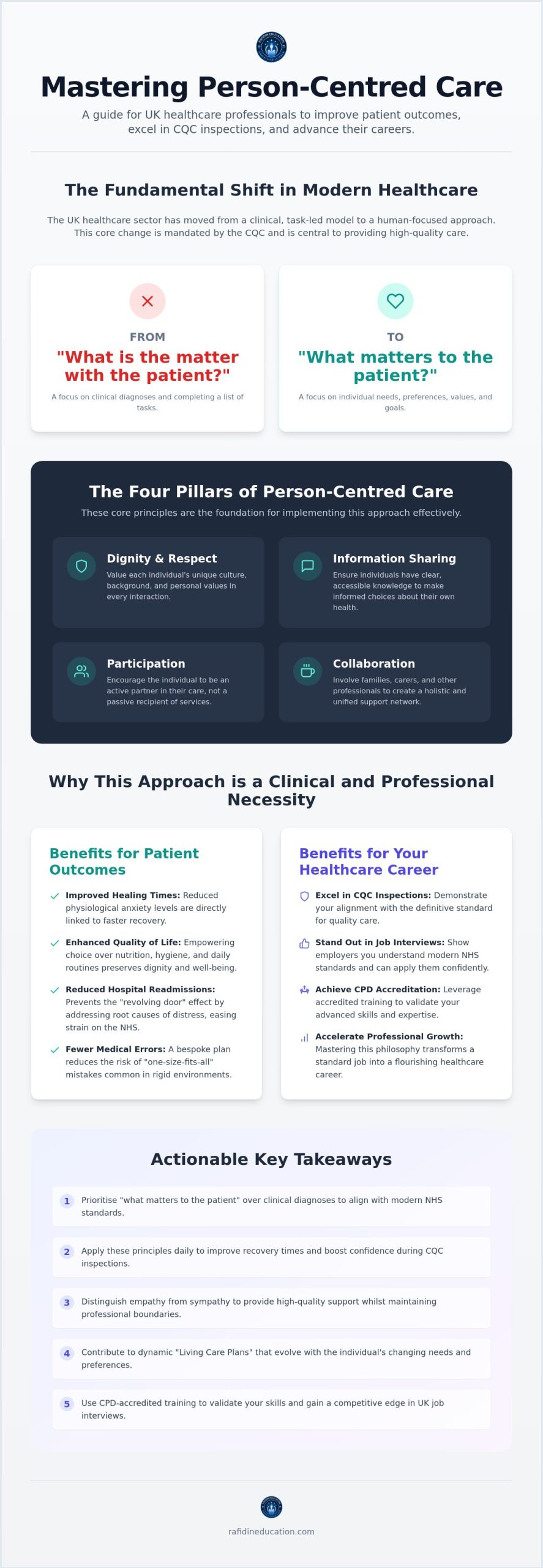
- Identify the core shift from focusing on clinical diagnoses to prioritising “what matters to the patient” to align with modern NHS standards.
- Master the practical application of person centred care to improve patient recovery times and enhance your confidence during CQC inspections.
- Distinguish between empathy and sympathy to provide high-quality support whilst maintaining essential professional boundaries.
- Learn how to contribute to dynamic “Living Care Plans” that evolve alongside the individual needs and preferences of those in your care.
- Leverage CPD-accredited training and expert coaching to validate your skills and stand out in competitive UK job interviews.
Defining Person-Centred Care in the British Healthcare System
In the United Kingdom, the healthcare landscape has undergone a profound transformation. We have moved away from a clinical, one-size-fits-all model towards a deeply human approach. At its heart, person centred care ensures that the individual’s needs, preferences, and values guide all clinical decisions. This isn’t just a professional suggestion; it’s a regulatory mandate enforced by the Care Quality Commission (CQC). To truly excel in your career, you must understand that this philosophy shifts the focus from “what is the matter with the patient” to “what matters to the patient.”
UK providers often use terms such as “personalised care,” “collaborative care,” or “resident-centred care” amongst themselves. Regardless of the label, the objective is consistent: providing support that respects the person’s history and future aspirations. For a foundational perspective, the Definition of Person-Centred Care highlights how this model empowers individuals to take charge of their own health journey. By prioritising the human element, you don’t just meet CQC standards; you provide care that actually changes lives.
The Four Pillars of Person-Centred Care
To implement this effectively, you must embrace four core principles. First, dignity and respect require you to value each individual’s unique culture and background. Second, information sharing ensures patients aren’t kept in the dark; they need clear knowledge to make informed choices. Third, participation encourages the individual to be an active partner, not just a passive recipient. Finally, collaboration brings families and carers into the decision-making process, creating a holistic support network that extends beyond the ward or care home.
Moving Beyond Task-Based Care
Transitioning to this model requires a significant change in mindset. In the past, success was often measured by finishing the laundry or completing a medication round on time. Whilst these tasks are necessary, they shouldn’t define your entire shift. Supporting a resident’s lifestyle means understanding that they might prefer a late breakfast or a specific evening routine that makes them feel at home. The UK healthcare sector is rapidly dismantling rigid institutional routines in favour of flexibility and choice. It’s about seeing the person, not the task list. Ultimately, person-centred care is a partnership rather than a service.
Why Person-Centred Care is Essential for Modern Social Care
Implementing person centred care is far more than a moral choice; it is a clinical necessity that fundamentally alters the recovery trajectory. When an individual feels seen and heard, their physiological anxiety levels drop, which is directly linked to improved healing times and better long-term health outcomes. This approach moves the focus away from a generic diagnosis and towards a bespoke plan that respects the unique biological and emotional makeup of the person in your care. By prioritising the individual, you actively reduce the risk of “one-size-fits-all” medical errors that often occur in rigid, task-led environments.
Beyond the bedside, this philosophy serves as a critical pillar for the sustainability of the entire British healthcare system. The Health and Social Care Act 2008 established clear legal requirements for providers to deliver personalised support. When we get this right, we prevent the “revolving door” of hospital readmissions that currently places immense strain on the NHS. By addressing the root causes of a person’s distress or discomfort at home or in a residential setting, we reduce the need for emergency interventions. Following the NICE guidelines on patient experience ensures that your practice remains evidence-based and legally compliant.
Improving Patient Outcomes and Satisfaction
Emotional well-being and physical health are inseparable. A resident who is empowered to make choices about their nutrition, hygiene, and daily routine experiences a significant boost in their quality of life. For instance, allowing someone to maintain their preferred sleep patterns or meal times isn’t just about comfort; it’s about preserving the dignity that keeps depression and cognitive decline at bay. These small, personalised details are often what determine whether a care plan succeeds or fails in a real-world setting.
Professional Benefits for Care Practitioners
Mastering this approach is a powerful catalyst for your own professional evolution. If you are currently working towards your Care Certificate or an NVQ Level 3, demonstrating a deep understanding of person centred care is essential for your progression. It also transforms your daily experience by reducing workplace stress. When you build genuine relationships based on trust rather than just ticking off a list of chores, your job becomes more meaningful and less prone to burnout.
Employers in the UK are constantly searching for practitioners who can articulate these values during the recruitment process. Being able to explain how you apply these principles will make you a far more competitive candidate for senior roles. To help you build this expertise, our Cursuri Sănătate și îngrijire socială provide the practical tools and accredited knowledge you need to excel. By investing in these skills, you aren’t just helping your patients; you’re future-proofing your career in a competitive market.
Core Principles and Behaviours of an Effective Care Worker
Your ability to provide exceptional care depends less on your clinical qualifications and more on the behaviours you exhibit every single day. To truly master person centred care, you must move beyond the technical aspects of the job and focus on the human connection. This starts with distinguishing between empathy and sympathy. Whilst sympathy involves feeling sorry for someone, empathy requires you to understand their perspective and feelings without losing your professional objectivity. It’s about standing beside the person, not looking down on them with pity.
Advocacy is another vital behaviour you must develop. You are often the primary voice for those who may lack the capacity to speak for themselves. This involves a deep commitment to cultural competence; respecting the diverse traditions, languages, and beliefs found amongst the UK population is essential. Trust is built when an individual feels their heritage is honoured. The King’s Fund report on patient involvement emphasises that when people have control over their own care, the entire system functions more effectively.
Communication and Active Listening
Effective communication is the cornerstone of person centred care. It’s not just about what you say, but how you listen. Active listening involves observing non-verbal cues, such as body language and eye contact, which often reveal more than words alone. Use open-ended questions to uncover “hidden” needs. Instead of asking “Are you okay?”, try “How are you feeling about your routine today?”. When supporting individuals with dementia or sensory impairments, use short, clear sentences and allow plenty of time for them to process and respond. Patience is a professional skill, not just a personality trait.
Respecting Choice and Autonomy
Empowering individuals means respecting their right to make their own decisions, even when those choices carry an element of risk. In the UK, we call this “positive risk-taking.” It’s a delicate balance between ensuring safety and protecting an individual’s freedom. Support daily decisions with enthusiasm, whether it’s what they want to wear or how they choose to spend their leisure time. Consent must remain at the heart of every physical intervention. Never assume you have permission; always explain what you’re doing and wait for a clear signal of agreement. This level of respect preserves the individual’s autonomy and strengthens the therapeutic relationship.
Implementing Person-Centred Approaches in Daily Practice
Turning theory into practice is where the most skilled healthcare professionals truly shine. You must move away from viewing a care plan as a static document tucked away in a folder. Instead, embrace the concept of a “Living Care Plan” that breathes and evolves alongside the person you support. This is particularly vital in domiciliary care settings, where you are a guest in someone’s private sanctuary. Your role is to provide professional support whilst respecting the individual’s established home routines. If you find yourself rushing through a checklist of chores without making eye contact, it is a clear sign that your care has become too task-orientated. Reporting these pressures to your manager isn’t a sign of failure; it is a professional responsibility to protect the quality of person centred care.
Managing your time effectively doesn’t mean being cold or clinical. You can prioritise human connection by integrating meaningful conversation into physical tasks, such as assisting with morning routines or preparing a meal. It is about making every second count through presence and intent. When you notice a resident’s mood or preferences changing, update the records immediately. This ensures the entire team stays aligned with what the individual needs at that exact moment, rather than relying on outdated information.
Creating Personalised Care Plans
Building a robust plan starts with gathering a rich life history. Ask about their previous career, their favourite music, or how they used to spend their weekends. These details are the keys to unlocking engagement and reducing distress. Involving the individual’s family is equally essential; they provide a 360-degree view of the person’s needs that clinical observations might miss. Review these plans at every shift change to ensure they remain empowering and relevant to the individual’s current state of well-being.
Overcoming Common Challenges in Implementation
Staffing shortages are a significant reality in the UK, yet they should never be an excuse for poor practice. You can maintain standards by focusing on the “micro-moments” of connection that build trust even during busy periods. Sometimes, an individual’s choice might conflict with their immediate safety. In these cases, you must use your professional judgement to find a “middle ground” that respects their autonomy whilst mitigating serious harm. To provide the high-quality evidence required for CQC inspections, ensure your documentation clearly explains the “why” behind every decision, showing exactly how the person’s preferences were considered.
Mastering these daily interventions is the quickest way to advance your career and secure senior positions. To gain the practical expertise needed for these challenges, enrol in our Cursuri Sănătate și îngrijire socială and start transforming your professional practice today.
Advancing Your Healthcare Career with CPD-Accredited Training
Your journey toward becoming an elite healthcare professional doesn’t end with understanding a philosophy. It requires tangible proof of your expertise. In the United Kingdom, Continuing Professional Development (CPD) is the currency of career progression. Whether you’re aiming for a promotion or entering the UK market for the first time, your commitment to learning defines your value. Mastering person centred care through accredited training is the most effective way to signal your competence to prospective employers. It shows you aren’t just doing a job; you’re dedicated to a high-standard professional practice.
Positioning yourself as an expert in this field allows you to secure senior roles with greater ease. Employers are looking for leaders who can mentor others in these values. By documenting your learning journey, you transform from a standard practitioner into a strategic asset for any healthcare provider. This isn’t just about ticking a box for registration. It’s about building the confidence to lead, innovate, and improve patient lives every single day.
The Role of CPD Accreditation
UK employers prioritising candidates with accredited training do so because it guarantees a baseline of safety and quality. A robust professional development portfolio is your best tool for impressing recruiters. For many roles, such as registered nurses, completing 35 hours of CPD over a three year revalidation cycle is a mandatory requirement. Beyond the rules, there’s a direct link between continuous learning and maintaining high standards in health and safety. When you stay updated on the latest regulations, you protect your patients and your professional licence simultaneously. It’s the difference between a stagnant career and one that constantly reaches new heights.
How RAFIDIN EDUCATION Supports Your Journey
We provide the specific tools you need to thrive in the British healthcare system. Our Cursuri Sănătate și îngrijire socială feature specialised video modules designed to bridge the gap between theory and real-world application. These modules focus heavily on person centred care, ensuring you can evidence your skills during CQC inspections. However, knowledge alone isn’t always enough to secure the best roles. That’s where Mirela Anghelache’s 1:1 coaching becomes your secret weapon.
Through personalised coaching, you’ll learn how to articulate your values and experiences during high-pressure UK job interviews. We help you translate your passion into the professional terminology that NHS and private sector managers expect to hear. Don’t leave your career to chance. Take the next step and Book a 1:1 consultation to launch your UK care career. Your future as a respected, accredited healthcare leader starts with a single, decisive action.
Your Future as an Elite UK Healthcare Leader Starts Here
Mastering person centred care is the bridge between being a standard care worker and becoming a respected, senior professional in the United Kingdom. You now understand that your role isn’t just about finishing a shift; it’s about advocating for those in your care and ensuring their voices are always heard. By moving beyond rigid routines and embracing the human element, you secure better outcomes for your patients and a more meaningful path for yourself. It is this shift in mindset that catches the eye of recruiters and CQC inspectors alike.
We are here to support every step of your professional evolution. Whether you need CPD-Accredited Professional Training to validate your expertise or Personalised 1:1 Coaching with Mirela Anghelache to ace your next interview, our Expert UK Job Consultancy is your partner in success. Don’t let uncertainty hold you back from the career you deserve. You have the passion; let us provide the accreditation and guidance to make it official.
Master person-centred care and launch your UK career today. The opportunities in the British healthcare sector are vast for those who lead with empathy and excellence. Take control of your journey today and build a future you can be proud of.
Frequently Asked Questions
What are the 6 Cs of nursing and how do they relate to person-centred care?
The 6 Cs consist of Care, Compassion, Competence, Communication, Courage, and Commitment. These core values act as the professional compass for delivering high-quality person centred care across the UK. Whilst the 6 Cs provide the behavioural framework for your practice, the person-centred approach ensures those behaviours are tailored to the unique needs of the individual rather than a generic medical checklist.
Can I provide person-centred care if a patient lacks mental capacity?
You absolutely can and must. When a patient lacks capacity, you follow the principles of the Mental Capacity Act 2005 to make “best interests” decisions. This involves consulting with family members and reviewing the individual’s life history to ensure the care provided still reflects their long-held values, even if they cannot articulate them in the present moment.
How does person-centred care differ from traditional nursing models?
Traditional models are typically task-led or focused solely on a clinical diagnosis, where the patient is a passive recipient of treatment. In contrast, person-centred models are individual-led. Instead of simply treating a condition, you are supporting a human being with their own history, fears, and aspirations. It’s the professional difference between managing a ward and supporting a person.
Is person-centred care a legal requirement in the UK?
Yes, it is a statutory requirement enforced by the Care Quality Commission (CQC). Regulation 9 of the Health and Social Care Act 2008 (Regulated Activities) Regulations 2014 specifically mandates that care must be appropriate, meet the person’s needs, and reflect their preferences. Failing to demonstrate this approach can lead to poor inspection ratings or formal enforcement action against a provider.
What are some examples of person-centred care in a care home setting?
Practical examples include allowing a resident to choose their own waking and meal times rather than following a rigid institutional schedule. It also involves personalising their living space with familiar furniture or facilitating specific hobbies, like gardening or listening to a favourite radio station. These actions maintain their sense of self and improve their overall quality of life.
How do I explain person-centred care in a job interview?
Define person centred care as a shift from “what is the matter” to “what matters to the person.” Provide a specific scenario from your experience where you identified a resident’s unique preference and adapted your care to meet it. This shows recruiters that you have moved beyond theory and can apply these principles effectively in a high-pressure UK care environment.
Why is the individual’s life history important in person-centred care?
Life history is the foundation of a “Living Care Plan.” It allows you to understand the person behind the diagnosis, which is essential for reducing distress in individuals with cognitive impairments. Knowing someone was a former teacher or an avid traveller helps you tailor your communication and daily activities to their true identity, fostering a deeper sense of belonging.
How does person-centred care improve safety for the patient?
Safety improves because this approach fosters better communication and trust between the practitioner and the individual. When you understand an individual’s specific triggers or physical habits, you can prevent falls and reduce agitation without the need for restrictive interventions. It leads to more accurate clinical reporting and the earlier identification of potential health declines.